
How Long Does a Roof Last in Sarasota, Florida?
Use published lifespan ranges only as broad context. The condition of the installed system matters more than a marketing number.
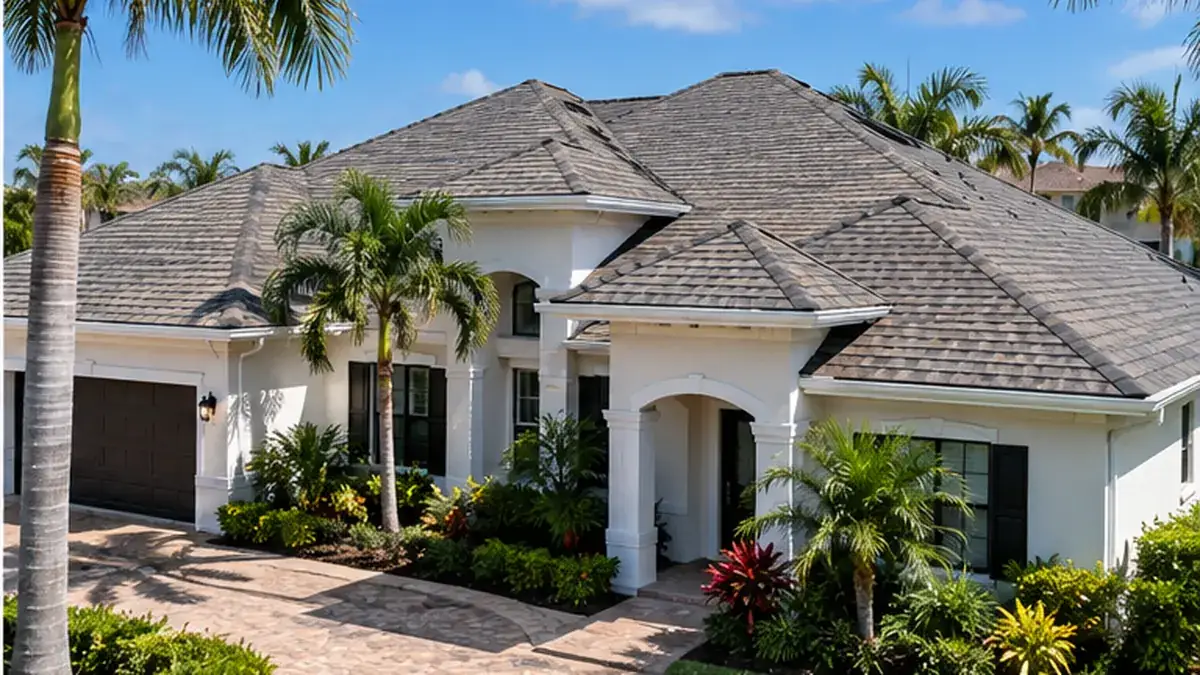
Why Florida conditions change roof aging
Heat, strong sunlight, heavy rain, wind and tropical weather repeatedly stress roof coverings, sealants, flashing and waterproofing details. Coastal exposure can add corrosion concerns for compatible metal components.
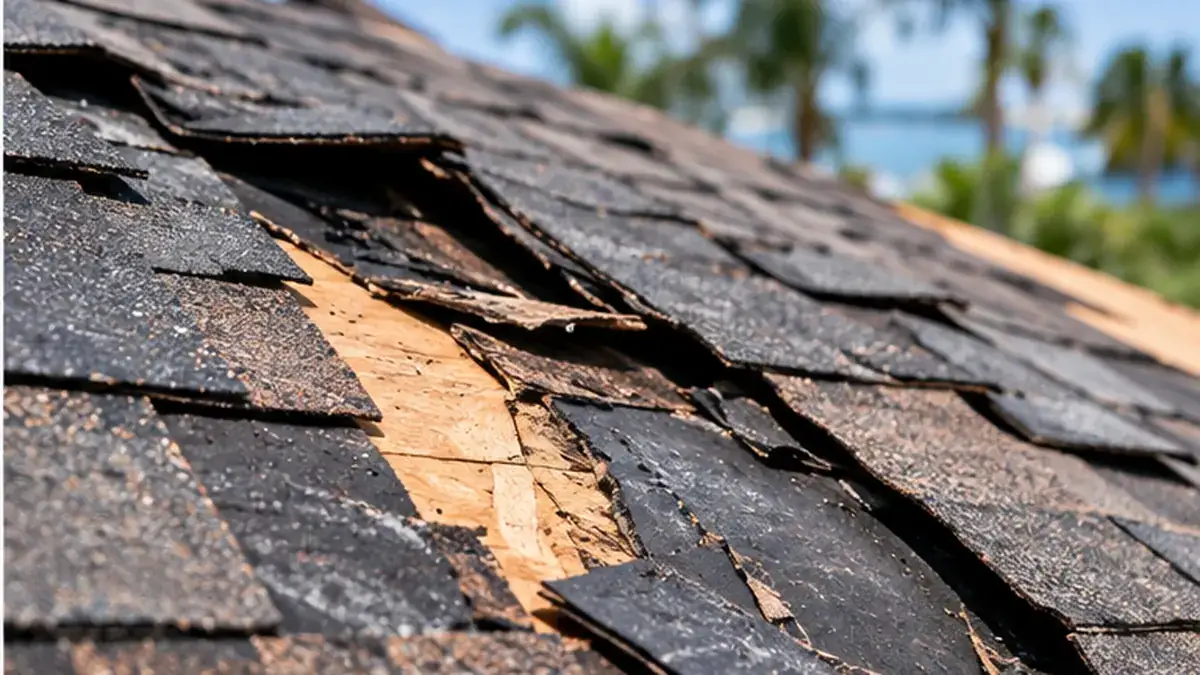
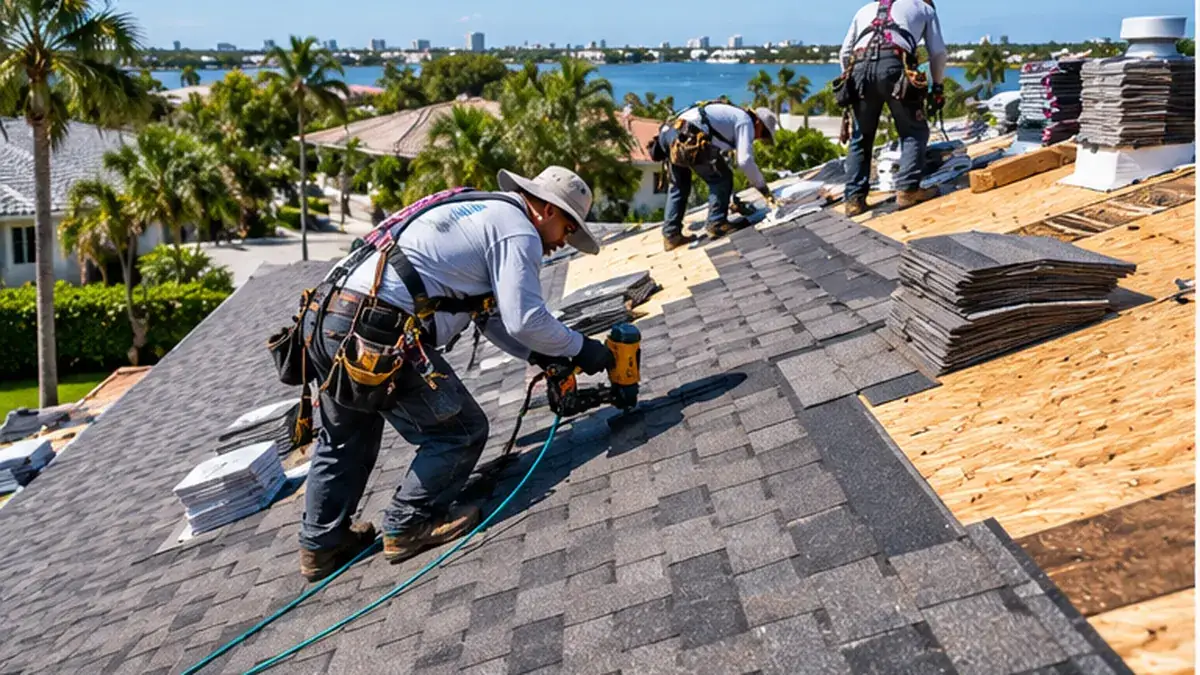
Shingle roof lifespan is condition-dependent
Granule retention, cracking, brittleness, fastening, ventilation and leak history can tell you more than age alone. An inspection should document actual deterioration.
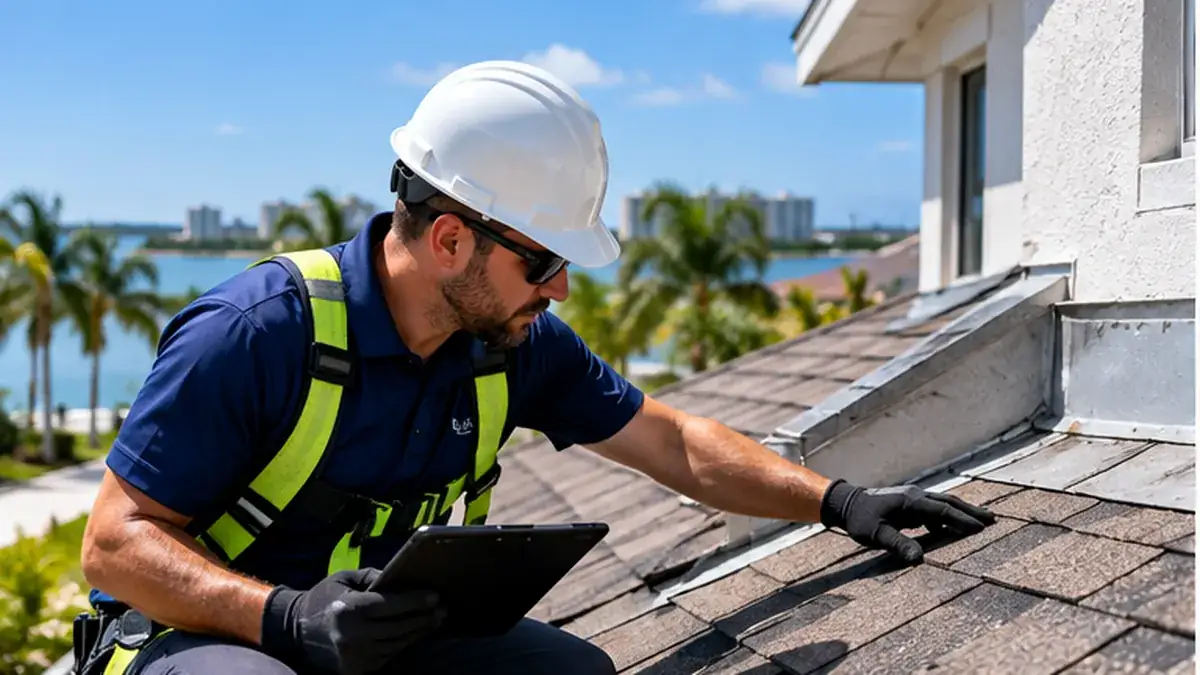
Tile roofs can outlast the waterproofing below them
Clay or concrete tile may remain visually durable while underlayment, flashing or fasteners age beneath the surface. That is why tile appearance alone cannot prove remaining service life.
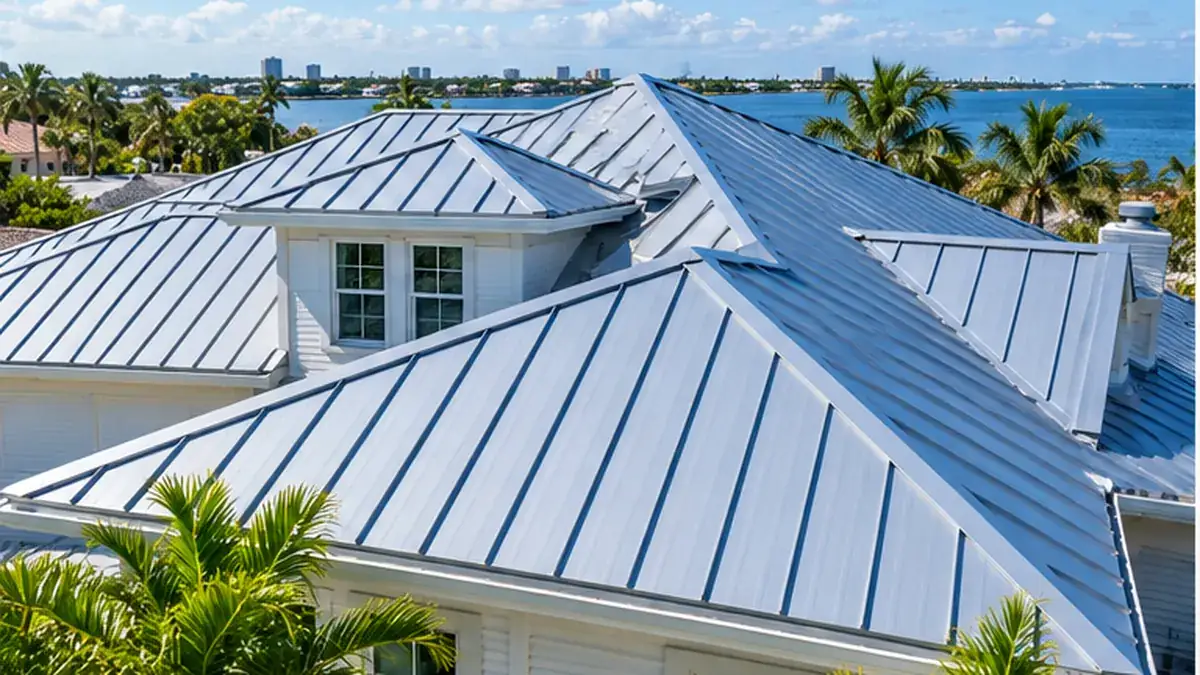
Metal roof life depends on the complete assembly
Panel coating, metal type, seams, fasteners, clips, flashing and corrosion exposure all matter. Coastal conditions make material compatibility particularly important.
Frequently asked questions
What is the best age to replace a Florida roof?
There is no universal age. Replace based on condition, repairability, system performance and property-specific requirements.
Can a roof inspection predict the exact year of failure?
No. It can identify current defects and deterioration, not future weather or hidden changes.
Does a new roof need annual inspection?
Inspection frequency depends on system, weather events and provider guidance. Severe storms justify an extra condition check.
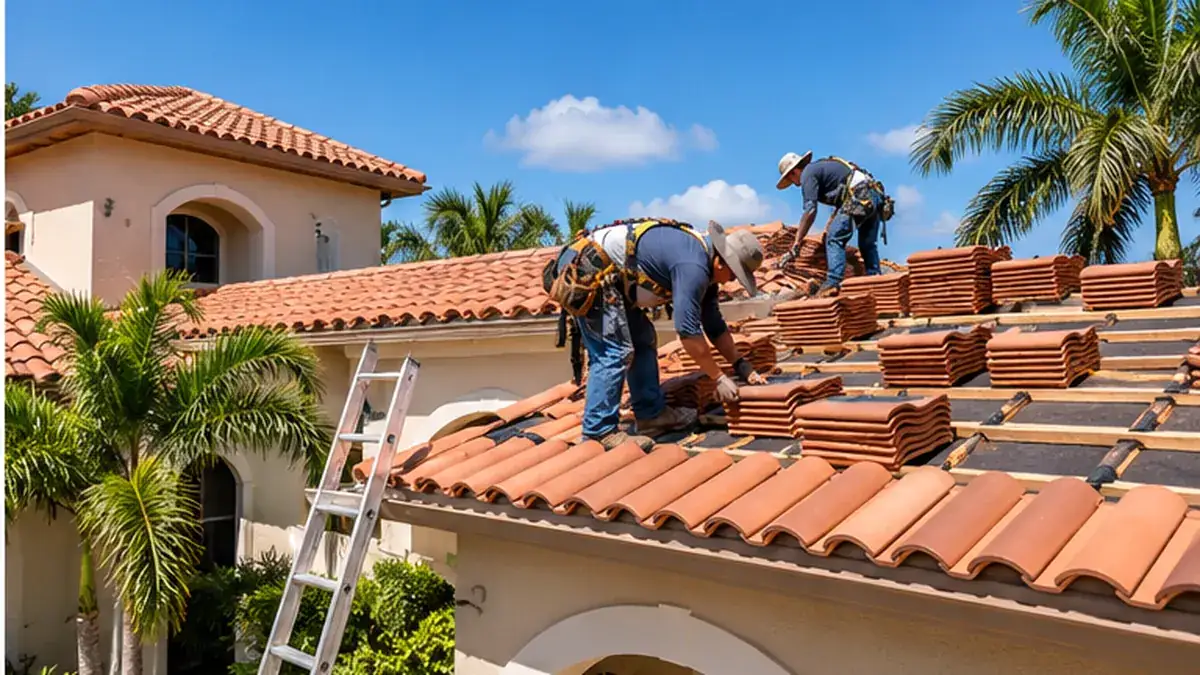 Tile roof replacement
 Metal roof replacement
 Shingle replacement