
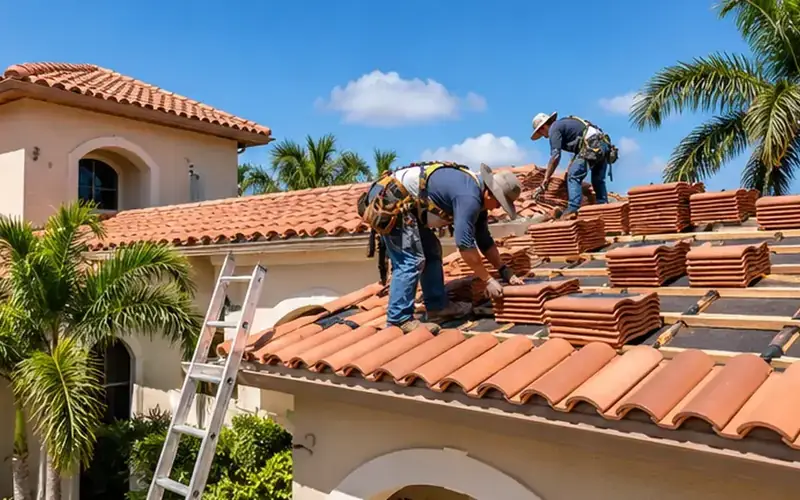
 Tile Roof Replacement
Assess tile condition, underlayment, flashing, deck condition and attachment before deciding between targeted work and full replacement.
Explore tile roof replacement →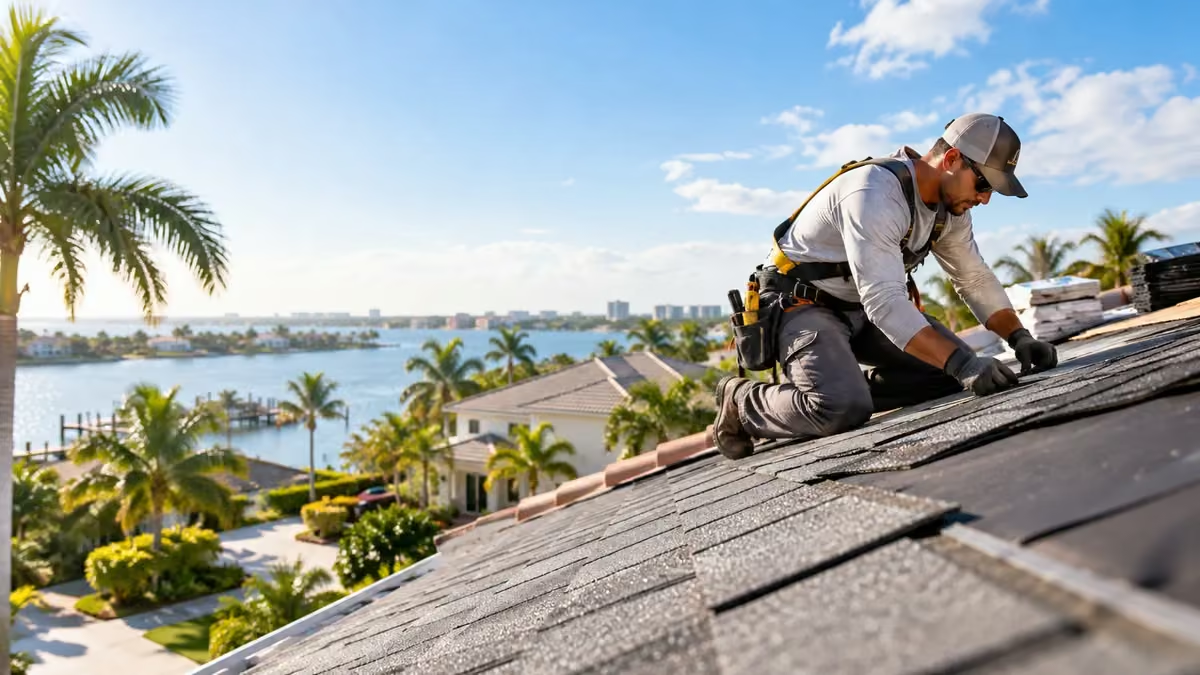
Roof replacement in Sarasota should start with the condition of the whole roof system. If you are dealing with recurring leaks, widespread wear, storm damage or failed waterproofing, compare repair versus replacement, inspect the supporting components, and define a property-specific replacement scope before choosing materials.
Sarasota Roof Replacement Co publishes roofing information and may help homeowners connect with independent roofing service providers. The provider performing the work confirms the final scope, licensing, permits and warranties.Tile Roof ReplacementAssess tile condition, underlayment, flashing, deck condition and attachment before deciding between targeted work and full replacement.
Explore tile roof replacement →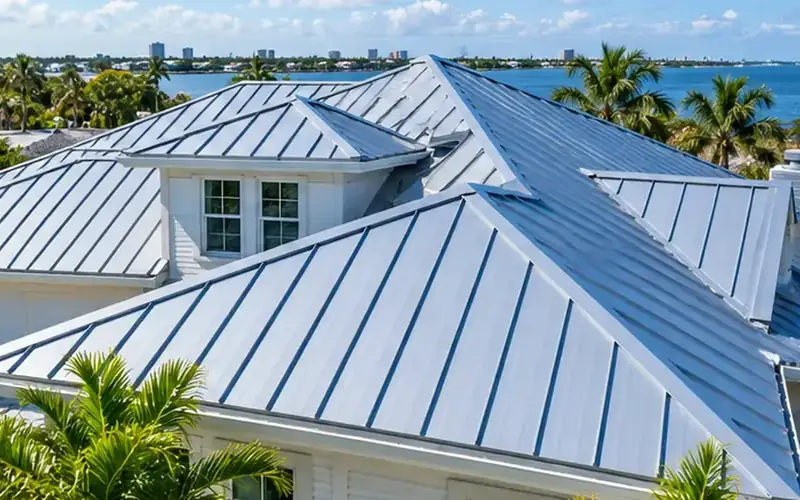 Metal Roof Replacement
Review panels, seams, flashing, fasteners, deck condition and coastal exposure when comparing replacement options.
Explore metal roof replacement →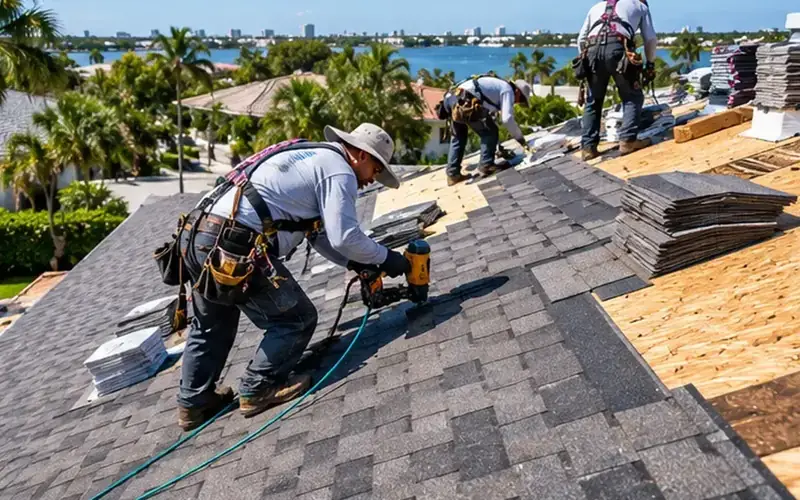 Shingle Roof Replacement
Check granule loss, brittle shingles, lifted edges, repeat leaks and deck condition before planning a reroof.
Explore shingle roof replacement →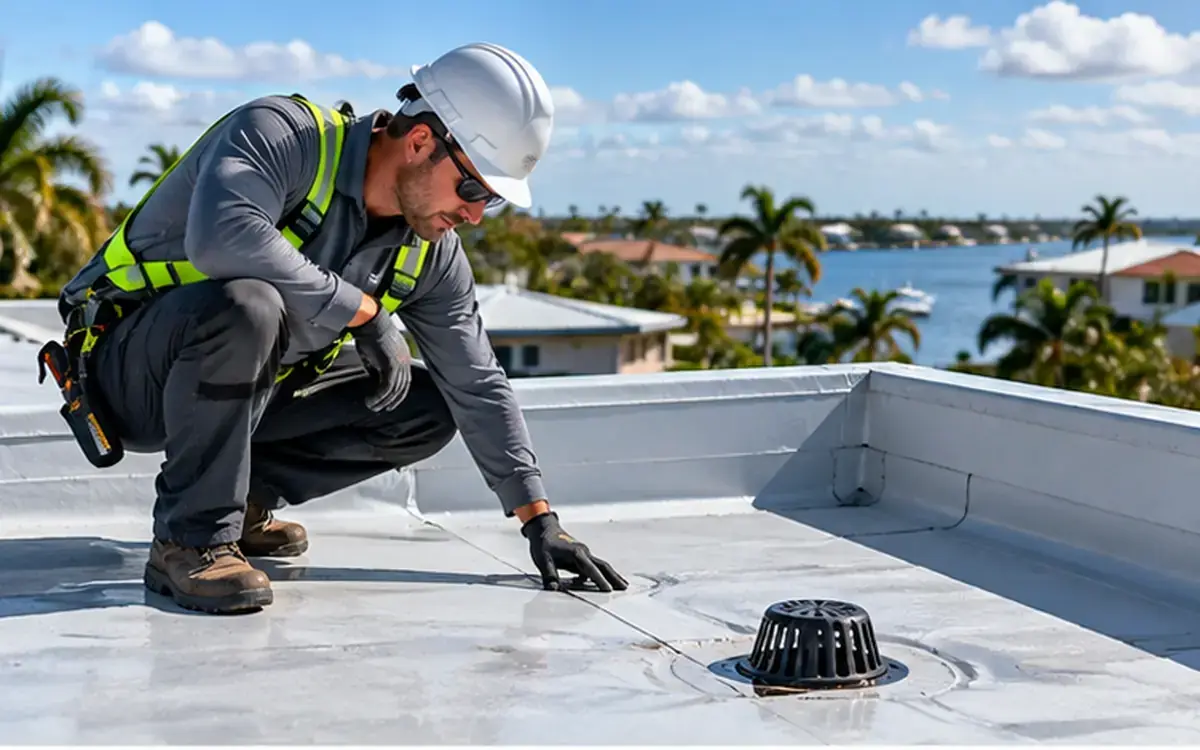 Flat & Low-Slope Roof Replacement
Review drainage, transitions, penetrations, deck condition and the existing low-slope system before defining a replacement scope.
Explore flat & low-slope replacement →Sarasota roofs deal with strong sun, heavy rain, wind and tropical weather. Homes near the coast may also need closer attention to exposed metal parts. The best roof system depends on the house, deck, roof shape and local exposure.
Permit steps can differ by property location. Confirm whether the address falls under the City of Sarasota, Sarasota County or another authority before work begins.
Strong sun, heavy rain, wind and tropical weather can change what the roof system needs.
Homes near the coast may need closer attention to exposed metal parts.
Permit steps can differ by property location, so the correct authority should be confirmed before work begins.
The best roof system depends on the house, deck, roof shape and local exposure.
Start with what you can see: repeated leaks, storm damage, broken tile, missing shingles, corrosion, sagging areas or an aging roof.
The roof covering is only one layer. Decking, underlayment, flashing, penetrations, edges, drainage and ventilation can change the recommendation.
Isolated defects may be repairable. Replacement becomes more reasonable when problems are widespread, recurring or tied to system-wide aging.
Material, tear-off, deck repairs, flashing, underlayment, permits, access, cleanup and warranty terms should be clear before work begins. When reviewing more than one proposal, compare the written roofing estimates line by line before focusing on the final total.
The roof covering is only part of the replacement. A useful scope explains what will happen to the roof deck, waterproofing layers, flashing, ventilation, penetrations, permit responsibilities and any storm-related damage that changes the work.
Start by separating localized defects from broader system failure. A roof inspection can document the condition, while the repair-versus-replacement guide explains how damage extent, repeat leaks, repair history and surrounding roof condition can change the decision. A leak by itself does not automatically mean the whole roof needs replacement.
Some roof-deck conditions stay hidden until the old covering is removed. If deteriorated sheathing or previous patching is exposed, the scope may need to change. Before signing, ask how decking is documented, priced or allowed for, and how a change order must be approved. See roof decking damage signs and the estimate-comparison guide for deeper context.
They should be addressed in the written scope where they apply. The proposal should identify the underlayment or water-control layer, explain which flashing or penetration details are being replaced or reused, and state whether the existing ventilation configuration is being changed. See Florida roof underlayment and Florida roof ventilation basics for the system-level details.
Roof replacement work can require permit and inspection handling, but the correct authority and current requirements—including any applicable exemptions—depend on the property address and project scope. Confirm whether the project falls under the City of Sarasota, Sarasota County or another jurisdiction, and make permit responsibility clear in the written proposal. See the Sarasota roof permit guide for current jurisdiction guidance.
The final total matters, but homeowners are usually making a better comparison when the written scope, provider, hidden-condition rules and closeout terms are clear first.
Cost can change with roof area, material, slope and geometry, tear-off, access, decking condition, underlayment, flashing, ventilation, permit requirements and conditions discovered after the existing roof is removed. The roof replacement cost page explains the factors without relying on a one-size-fits-all Sarasota price.
A useful written estimate should make the measured scope, tear-off and disposal, roofing system, underlayment, decking allowance, flashing and penetrations, ventilation work, permit responsibility, cleanup, exclusions, warranty terms, payment terms and change-order process understandable before work begins.
Different totals can represent different jobs. Two proposals may use different roof measurements, materials, accessory components, decking assumptions, underlayment, flashing, ventilation, permit responsibilities, cleanup terms, exclusions or warranty coverage. Compare the scope before deciding what the price difference means.
Confirm the provider's legal identity and check the applicable Florida roofing license through the Florida DBPR license lookup. Also compare the written scope, exact roof system, permit responsibility, exclusions, change-order procedure and who provides each warranty. Sarasota Roof Replacement Co does not claim the independent provider's license as its own.
The exact workflow depends on the property and provider, but homeowners should be able to see how the project moves from condition assessment to a documented replacement scope and final review. For the full homeowner journey, see how the roof replacement process works from evaluation through closeout.
Review the roof problem, access, roof type, geometry and visible condition.
Check the covering, flashing, penetrations, drainage, ventilation and supporting layers where they can be evaluated.
Document roof area, transitions, tear-off, known repairs and any conditions that can affect the work.
Compare tile, metal, shingle or low-slope options against the actual structure, slope and homeowner priorities.
Use the property address to verify the applicable jurisdiction, permit process and inspection responsibilities.
Where included in the scope, remove the existing roof and address documented substrate or preparation work.
Install the approved roof system with the specified underlayment, flashing, edges and related components.
Remove project debris, complete the final review and required inspections, address permit closeout where applicable, and collect the project records provided under the contract.
Material-specific planning is available for tile roofs, metal roofs, asphalt shingles and flat or low-slope roofs.
Not every roof problem requires replacement. When damage is limited, start with the repair service that best matches the symptom.
Localized repairs for flashing, roof coverings and other repairable defects.
Trace the leak source and repair the failed detail rather than the nearest stain.
Help after active leaks, sudden openings and severe-weather damage.
Cracked or displaced tile and related waterproofing details.
Missing, lifted or damaged shingles and nearby flashing issues.
Post-storm assessment to decide whether repair, stabilization or replacement fits the damage.
Roof replacement needs can differ across Sarasota neighborhoods and nearby communities because coastal exposure, housing age, roof design and property access vary from one property to another.
Barrier-island exposure, wind-driven rain, coastal metal considerations and access constraints.
Large master-planned residential area with varied homes and potential association design requirements.
Mainland community near Siesta Key with a mix of established residential roofs and storm exposure.
Established neighborhood where older housing stock can make deck condition, ventilation and prior reroof work important.
Architecture spanning mid-century homes through newer builds, which can change roof geometry and replacement scope.
A decision framework based on damage extent, repeat leaks, age, deck condition and the expected durability of another repair.
Why material alone does not determine lifespan in Florida conditions.
Compare weight, detailing, maintenance, corrosion considerations and replacement complexity.
Yes, some leaks come from localized flashing, penetration or roof-covering defects that can be repaired. Replacement becomes more relevant when damage is widespread, leaks keep returning, surrounding materials are deteriorated or the roof system has broader age or condition problems.
Not automatically. The correct scope depends on the flashing type, condition, integration with the new roof system, surrounding construction and applicable project requirements. The written proposal should say which flashing is replaced, reused or evaluated after tear-off instead of relying on vague wording.
No. Ventilation should be reviewed as part of the existing roof and attic assembly, but the correct approach depends on the home's design, intake and exhaust configuration and the selected roof system. See the Florida roof ventilation guide for the deeper explanation.
It can, but storm exposure alone does not establish replacement need. The decision depends on the actual damage extent, affected materials, water entry, repairability and condition of the surrounding roof system. The storm-damage replacement page explains that assessment path.
Call with the property address, roof type and main concern. We will help you understand the next step and arrange local roof replacement help when service is available.
Sarasota-area community coverage stays focused on places where local roof conditions and housing details can change the replacement discussion.
Use the guides to understand the decision, then call when you are ready to discuss the property.
Pricing, scheduling, credentials and warranty terms should be confirmed before work begins.
We serve Sarasota homeowners across Siesta Key, Palmer Ranch, Gulf Gate Estates, South Gate, Arlington Park and surrounding communities. Use the service-area page to check community coverage and property-specific service information.
Public business address: 2600 12th St, Sarasota, FL 34237
Current community pages cover the five approved Sarasota-area locations below.
Use the Service Areas hub for community-specific roof replacement context and coverage details.
View all service areas →If you are still comparing options, continue with tile roof replacement options, roof inspection before replacement, or review Sarasota service areas for the next part of the decision.
Call to discuss the property location, roof type and what you are seeing. Have the main concern ready so the next step is easier to determine.