
Roof Leak Repair
Find the water-entry path when the main symptom is an active or recurring leak.
Roof repair is appropriate when damage is limited and the surrounding roofing system still has useful service life. The first step is finding the source of the problem, measuring how far it extends and deciding whether a targeted repair can solve it reliably.
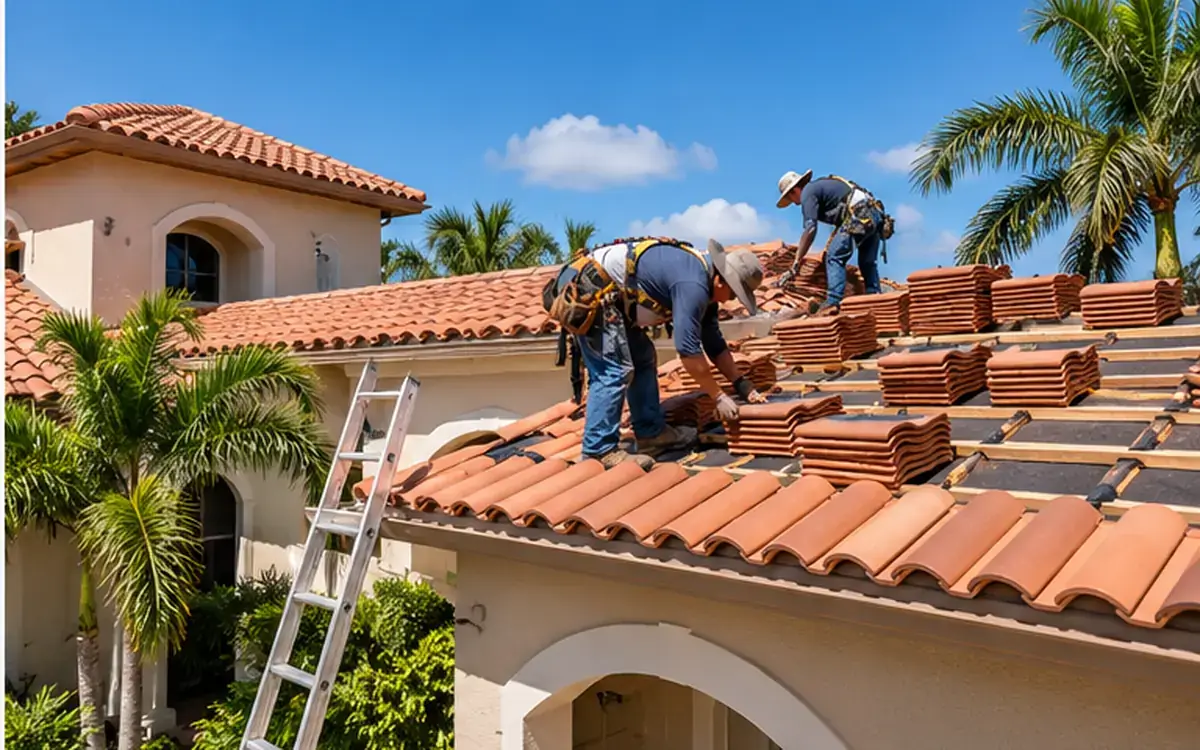
A repair may be reasonable when damage is confined to a small area, the roof deck is sound, matching materials are available and previous repairs have not become a pattern. A localized flashing failure, a limited number of missing shingles, a small tile breakage area or a leak traced to one penetration may fit this scope.
Homeowners often notice ceiling stains, water near a vent or wall transition, missing shingles, cracked tiles, loose ridge pieces, wind damage or flashing that appears lifted or corroded. The useful question is not only what is visible, but whether nearby roofing materials and waterproofing details remain serviceable.
Repair targets an isolated defect; replacement renews a roofing system with broader deterioration or recurring failures. If the choice is unclear, start with a roof inspection and compare the factors in our repair vs. replacement guide.
Heavy rain and wind-driven water can expose weak flashing, penetrations, valleys and lifted roof coverings. Strong sun and heat can age sealants and surface materials. Coastal exposure may also speed corrosion on some metal components.
Roof type, access, pitch, defect location, material availability, flashing condition and concealed moisture all change the scope. A written repair proposal should explain what will be removed or replaced and what happens if hidden deck damage is found.
A typical visit includes discussing when the problem appears, inspecting the roof and accessible interior, tracing the likely source, defining the repair area, protecting the property, completing the repair and checking surrounding details before cleanup.
Describe the damaged area, when the problem started and whether it followed a storm. That helps narrow the inspection and repair scope.
A focused repair makes sense when the problem is limited and the rest of the roof is still serviceable. The goal is to fix the failure without turning a small problem into an unnecessary replacement.
One repair does not mean a roof is failing. A pattern of leaks in different areas can be different. Track where problems occur and how often they return, then compare that history with the age and condition of the roof.
A durable repair fixes the failed detail and ties it back into sound roofing around it. That can mean replacing nearby material, rebuilding flashing or opening a small area to reach wet deck or underlayment.
No. Many localized leaks can be repaired, but widespread underlayment failure, extensive deck damage or repeated leaks may make replacement more practical.
Look at damage extent, roof age, repair history, deck condition and whether the problem is isolated. An inspection can separate a limited repair from broader wear.
Yes. Flashing around walls, valleys, vents and other transitions helps direct water away from joints. Failed or displaced flashing can create a localized leak.
No. Roof surfaces can be slippery, fragile or damaged. Use ground-level observations and let a roofing professional inspect unsafe areas.
If you are still comparing options, continue with roof leak repair, emergency roof repair, or review when replacement makes more sense for the next part of the decision.
Describe the problem, where it appears and when it started. That gives the next inspection a useful starting point.