
Tile Roof Replacement
Compare replacement when tile damage or underlayment problems are widespread.
Tile roof repair focuses on localized failures such as broken or displaced tiles, flashing problems, limited underlayment damage and leak points. The visible tile is only one part of the roofing system.
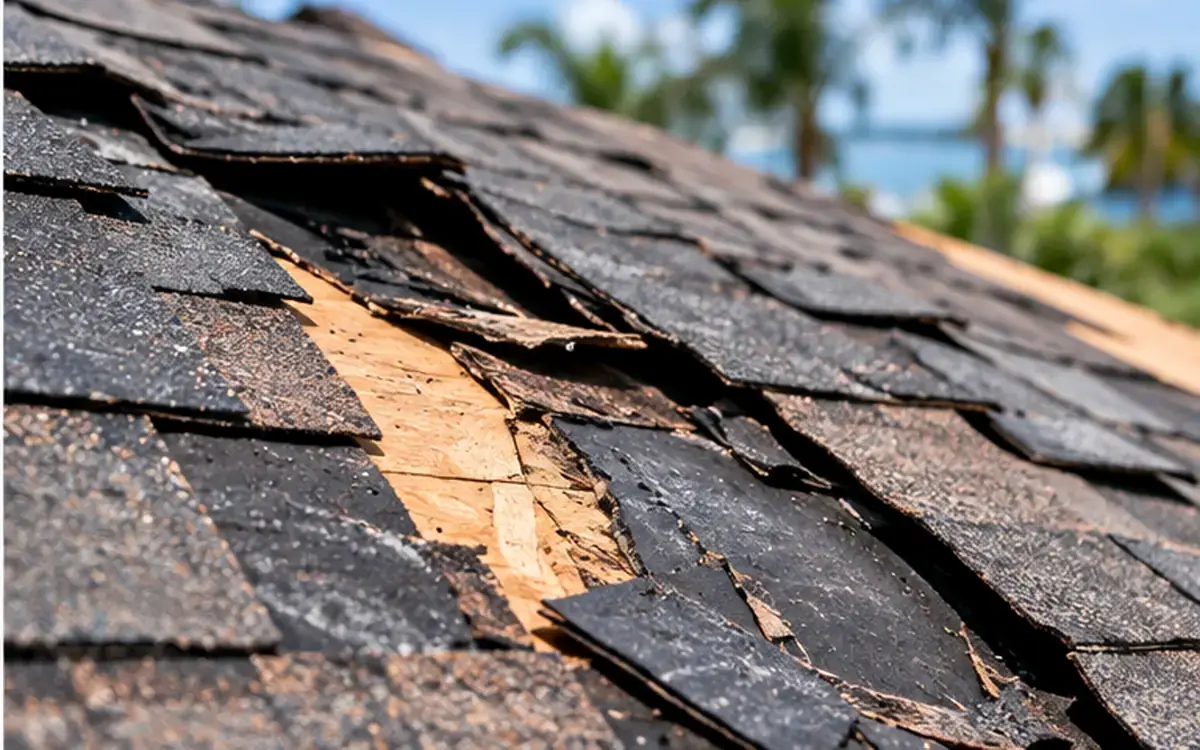
Isolated cracked tiles, a small slipped-tile area, damaged ridge or hip pieces, flashing defects and limited leak points can often be evaluated for repair. The surrounding underlayment and deck should still be checked.
A tile can break from impact, foot traffic, movement or weather without the whole roof failing. A roof can also have intact-looking tile while waterproofing below has deteriorated.
Repair can be harder when an older profile or color is no longer readily available. Compatible material and the existing attachment method should be confirmed before the repair scope is finalized.
Water below tile should still be managed by the waterproofing system. Valleys, roof-to-wall transitions and penetrations deserve close attention. See our underlayment guide for more context.
Repair is strongest when the defect is isolated. Repeated leaks, broad underlayment deterioration or deck damage can make tile roof replacement more practical.
Wind and debris can crack, loosen or displace tiles and affect ridge, flashing and waterproofing details. Document visible damage from the ground and avoid walking on damaged tile.
Share where tiles are cracked, slipped or missing and whether there are stains below that area. The repair plan should check both tile and waterproofing.
A few cracked or slipped tiles may be repairable when the underlayment and surrounding roof remain sound. Repeated failures or hidden water damage can change that decision.
Older tile profiles and colors may be hard to match. Ask whether compatible tile is available and whether the repair will look different from the surrounding roof.
The tile is the visible surface, but the underlayment below it does much of the water-control work. A repair should check both layers when damage or leaks appear in the same area.
Often yes, if compatible material is available and the surrounding waterproofing and attachment remain sound.
They can, but the condition of the underlayment and nearby flashing determines whether moisture moves farther into the roof.
Underlayment, flashing and penetrations can deteriorate even when much of the tile surface still looks intact.
Widespread waterproofing wear, repeated leaks or deck damage can make full replacement more practical.
If you are still comparing options, continue with tile roof replacement, broken roof tile guidance, or review roof inspection for the next part of the decision.
Tell us where the tile damage appears and whether there are stains or leaks below it.